
Dog harnesses are designed to improve comfort and safety during walks, training, and travel. Yet many dog owners unknowingly make mistakes that reduce these benefits or even put their pets at risk. Understanding what to avoid is just as important as choosing the right harness. Below are the most common errors dog owners make, along with helpful guidance to ensure your dog enjoys a secure and stress-free experience.
Choosing the Wrong Size
One of the biggest mistakes is selecting the wrong size. A harness that is too loose can allow your dog to escape, while one that is too tight can restrict breathing and movement. Many owners assume size is based only on weight, but chest width and body shape are equally important. Always measure your dog’s chest and neck before buying.
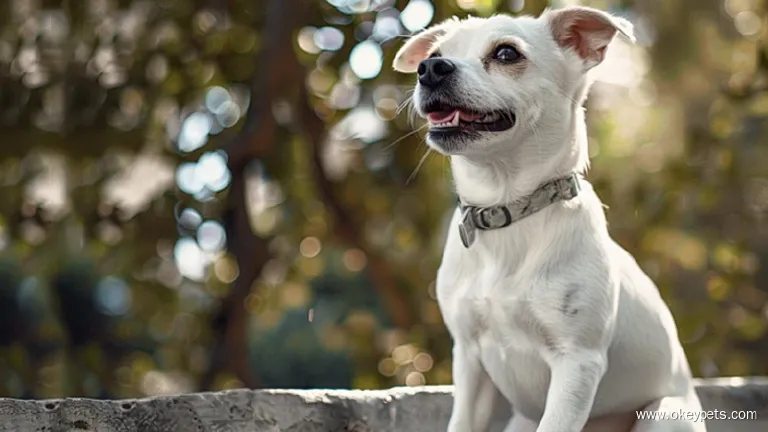
If your dog doesn’t fit standard sizing charts, a custom dog harness is the safest option. It ensures accurate proportions and avoids pressure points that could cause long-term discomfort.
Ignoring Adjustment and Fit Checks
Some owners fit a harness once and never readjust it. Over time, dogs gain or lose weight, and strap tension can change. Regularly check fit to make sure you can slide two fingers between the harness and your dog easily. A harness that shifts during walks is a sign of poor adjustment. Movement should feel secure without grazing the skin.
Attaching the Leash Incorrectly
Most harnesses have designated leash rings, but some owners attach clips to straps or decorative loops instead. This is dangerous. Hardware placed incorrectly can break or pull unevenly. Always connect the leash to the reinforced metal ring specifically meant for walking.
Using Fashion Over Function
Stylish designs attract many owners, but choosing looks over safety is risky. A true designer dog harness should offer both appearance and durability. Decorative harnesses with weak stitching or thin materials may fail under pressure.
Choose designs that include safety features like reinforced seams and strong buckles. If it doesn’t feel sturdy in your hands, it won’t hold up on your dog.
Buying from Unreliable Sources
Harness quality depends largely on who makes it. A responsible dog harness manufacturer uses tested materials, reliable stitching, and durable hardware. Low-cost or poorly made harnesses often break at weak points, especially when dogs pull. Reputable manufacturers focus on long-term use and safety instead of mass production shortcuts.
OKEYPETS is a reliable custom dog harness manufacturer with over 15 years of experience in creating solutions for walking, training, and restraining dogs. Their product range includes neoprene, tactical, and velvet harnesses, alongside collars and leashes. Their dedicated design team continuously develops innovative features such as LED visibility, reflective materials, and car safety options to improve everyday use. Choosing experienced manufacturers ensures better performance and longer lifespan.
Leaving the Harness on Too Long
Harnesses are not meant to be worn all day. Extended wear can cause irritation, matting of fur, or discomfort. Remove the harness once your dog is indoors or resting. This also helps prevent your dog from chewing at the straps or damaging the clips.
Not Inspecting for Wear and Tear
A harness may look fine on the outside but still be unsafe. Many owners fail to check stitching, buckles, and straps regularly. Any sign of fraying or loose seams means it’s time for replacement. Prevent accidents by inspecting your dog’s harness monthly, especially if your dog is active.
Forcing the Harness On
If your dog resists wearing a harness, forcing it can create fear. Instead, introduce it slowly. Let your dog sniff it, reward calm behavior, and put it on during relaxed moments. A positive introduction makes adjusting much easier.
Using the Wrong Type of Harness
Different dogs require different designs. Step-in harnesses are convenient but may not provide enough control for strong pullers. Tactical harnesses work well for busy environments but may feel heavy for small dogs.
Find a harness suited to your dog’s size, behavior, and activity level.
Final Thoughts
A dog harness should improve your dog’s comfort, not compromise it. When chosen carefully and used correctly, a harness becomes a reliable tool for daily safety.
Avoiding these common mistakes helps protect your dog from discomfort or injury. With the right fit, quality manufacturing, and proper handling, a harness becomes an essential part of a happy, confident walking routine.