
Patent illustrations and drawings play an important role in the realm of intellectual property protection. They serve as a counterpoint to the words which form the core of the patent system. In the words of the saying “A illustration is worth 1,000 words.” In this instance an excellent patent drawing can be worth more.
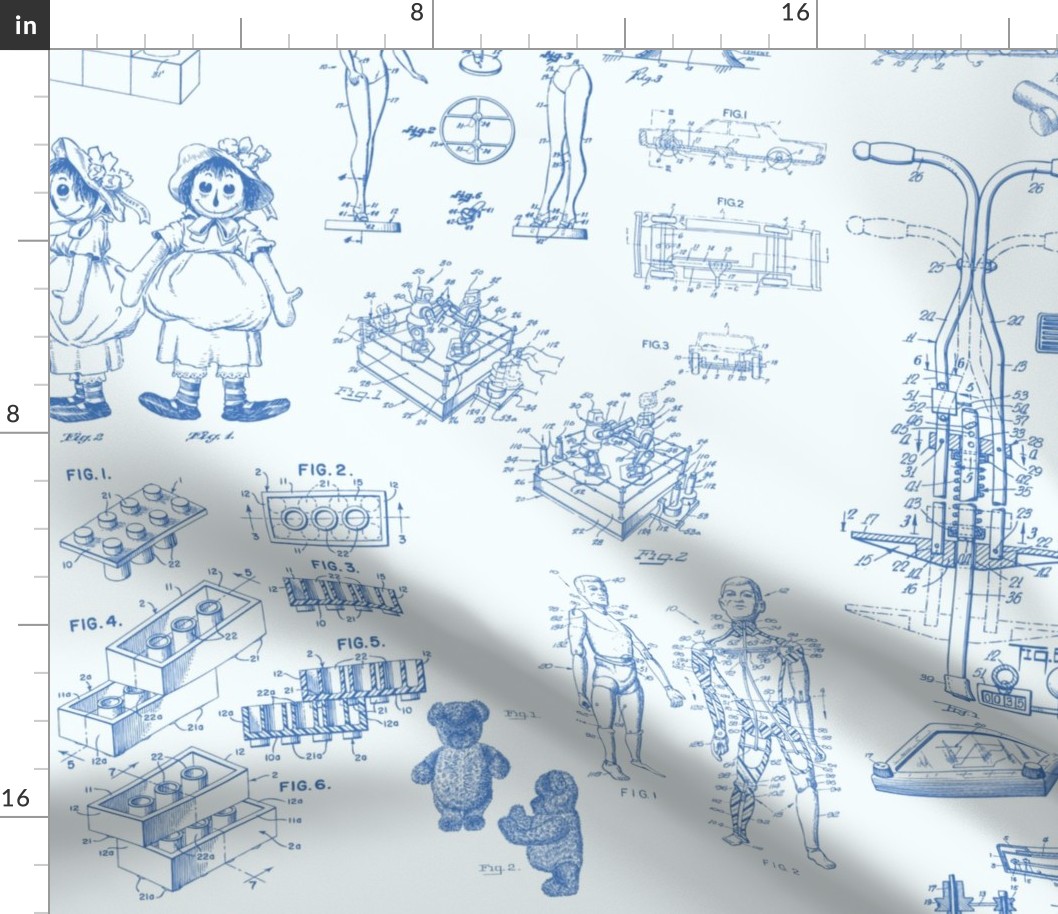
The need for clarity and precision is crucial when it concerns patents. Patent applications can be hard to understand because they are filled with technical jargon, complex descriptions and complicated inventions. Here, patent drawings play an important role. They are an intermediary between technical information and an understandable representation of the idea.
Imagine that you’ve developed a revolutionary device with numerous components. You want to protect your Intellectual Property. A written description may not be enough to accurately convey the complexities of your invention. This is when a carefully drawn patent illustration can be useful. This visual representation complements your written description and offers a clear, concise and unambiguous portrayal of your invention.
Behind every great patent design there’s an illustrator with the natural ability of bringing ideas to life with the help of visual artists. They are more than just artists. They are experts in the science and art of converting complex concepts into visual images.
Illustrators are critical in the world of patents to make sure that inventions are accurately described. Illustrators must be able to translate the complex technical details of an invention into pictures that can be easy to comprehend by patent examiners, lawyers and other people who are reviewing the application. It doesn’t matter if it’s a mechanical invention or a chemical formula or a design trademark illustrators are skilled enough to come up with the best visual representation.
The accuracy of Draftsmen
While illustrators bring an artistic flair to patent drawings, draftsmen bring precision and accuracy. Draftsmen are hard at work to produce drawings that adhere to the exact guidelines set by the United States Patent and Trademark Office and the other patent offices in the world.
Draftsmen excel at creating technical illustrations that meet the needs of patent applications. The drawings must be carefully precise, properly labeled, and conform to the standardized designs set out by the patent office. They are not only focused on aesthetics, but also about making sure that the application for patents is in accordance with the applicable regulations.
Wide Range of Services
Patent drawings and illustration services encompass a broad spectrum of options to meet the various requirements of inventors, companies and professionals in intellectual property. These are the most popular products offered in this industry:
Utility Drawings They show how an invention functions and is designed.
Design Drawings In the context of safeguarding the aesthetic or ornamental aspects of an invention drawing designs are vital. Design drawings are more focused on aesthetics and not function.
Trademark Drawings: For companies trying to protect their brands trademarks and logos Illustrators create trademark illustrations which capture the essence the brand’s image.
Trade Dress Drawings: Similar to trademark designs, these drawings draw attention to the unique visual features of a product, packaging or brand. They assist businesses to protect their distinctive style.
Patent Drawing Services often integrate photos into patent applications when real-world photographs of inventions or concepts are required.
Navigation of the Strict Guidelines
Creating patent drawings is not an undertaking to be undertaken lightly. The USPTO and other patent offices have strict guidelines to be adhered to. These guidelines govern the layout size, style, and dimensions of patent drawings, ensuring consistency and clarity across all applications.
Drawings should, for example that they be black and white with shading applied sparingly, but uniformly. To ensure consistency and understandability, line thickness as well as labeling and numbering should adhere to specific standards. Ignoring the guidelines could result in delays or rejections during the patent approval process.
The end of the article is:
In the realm of patents, the interplay of words and visuals is crucial. Patents are written descriptions of inventions However, they achieve greater clarity and comprehension by way of drawings and illustrations. Behind these drawings are skilled professionals, including draftsmen and illustrators. They transform complicated ideas into visual illustrations.
Patent illustration and drawing services are essential to any business or inventor who wants to protect its brand. They cover a broad assortment of options, from sketches for utility to trademarks making sure that every aspect of innovation is properly illustrated.
The art of illustration and patent illustrations isn’t merely concerned with aesthetics. It’s equally about the ability to bridge the gap between complex concepts and concise, precise illustrations, which allow effective communication within the world of patents. In this realm, where a patent can make the difference between success and obscurity the power of a well-crafted patent drawing cannot be overstated.