
Rapeh, the snuff of the gods of the Amazonian rainforest, is captivating for its dual nature. Beyond its well-known properties for relaxation the mystical substance reveals its amazing healing properties. Rapeh has been used for centuries by tribes of indigenous cultures to cure physical diseases. This sacred snuff has a diverse range of benefits that range from relieving inflammation to helping with respiratory problems.
Rapeh isn’t limited to its beauty. It also can provide energy boosters by reducing fatigue and enhancing energy levels. People report an infusion, an energy boost and vitality, which sets the scene for a trip towards wellness and rejuvenation.
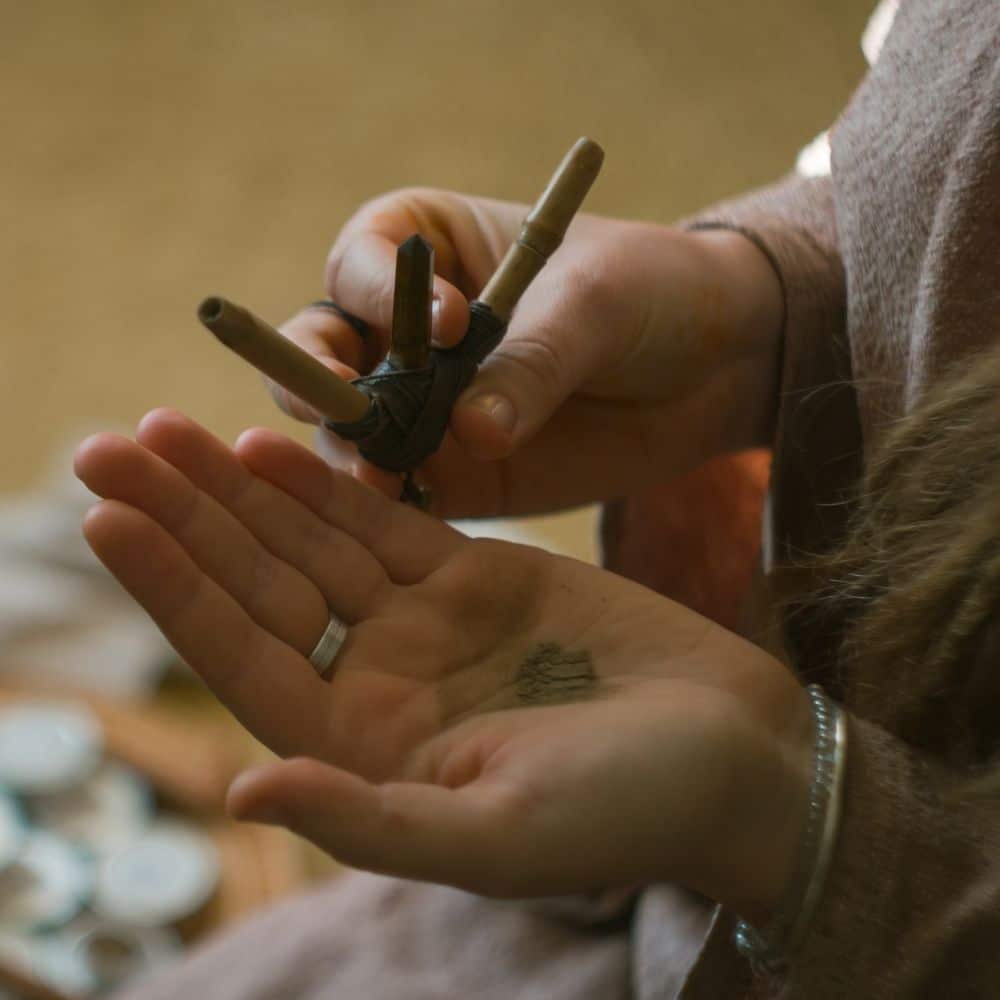
Hapeh commonly referred to as Rapeh, is an extremely finely powdered snuff that is made with a mix of plant material, which includes tobacco. This traditional recipe is deeply rooted in the spiritual and cultural practices of the indigenous tribes of the Amazon. It is an important part of their everyday lives. It’s not only an aid for relaxation and a source of relaxation, but also the guardianship of their culture and wellbeing.
Many people think that Hapeh is viewed as a simple relaxant to wind down after the day’s activities. In the hectic world of the indigenous Amazonian communities it can be physically demanding and spiritually energizing. Hapeh is a time of relaxation and a calming exhale after an intense day of work. This ritual of relaxation does more than ease physical strain, but it has an important meaning for the culture of the indigenous people.
While Hapeh may serve as a relaxation aid its function goes beyond just unwinding. It plays a significant contribution to the preservation of traditional culture and the promotion of wellbeing among these communities. Hapeh is deeply rooted in the traditions of these communities and is a bridge between the past and present.
Hapeh, more than just an snuff, is an important cultural tradition that has been passed on through the generations. The rituals associated with Hapeh are sacred and provide an expression of connection to the spiritual realm. Hapeh administration is generally performed with reverence and respect and a focus on spiritual connection and intention. For more information, click What is Hapeh
In indigenous communities, Hapeh is not merely an opportunity to relax; it’s a symbol of identity as a thread weaves throughout their lives. The fact that it is an integral part of their lives demonstrates their commitment to preserve their culture.
Hapeh is also tightly linked to the health of people within these communities. It is a holistic way of relaxing, and also a ritual which embodies an intimate connection with self and the world. The group gathers to participate in this shared experience which creates a sense unity and mutual well-being.
The significance of Hapeh’s name extends far beyond the physical. It is an icon of culture, which represents the long-lasting practices of indigenous peoples. In a fast-changing world, the preservation of these traditions is essential, and Hapeh is an integral part in ensuring this.
Hapeh which is a nasal snuff, is so much more than. It’s an interlude between the past and present. A protector of the indigenous tradition. And a promoter for health and well-being. Hapeh’s legacy reminds us how traditions and relaxation can be interwoven deeply, and the cultural significance behind a simple ritual goes far beyond the obvious.
Hapeh is also is referred to as Hapeh or Rapeh plays a variety of part in the lives of indigenous Amazonian communities. It’s a great way to relax, but also a good safeguard for culture. Hapeh’s legacy serves as a constant reminder in a constantly evolving world that traditions, culture, and relaxation are connected. It creates a deep sense of belonging within the communities. Hapeh’s significance can be a testament to the diversity and strength of indigenous peoples in the Amazon rainforest.